
Public Speaking Nerves: Do You Manage Them — or Do They Manage You?
When it comes to public speaking, here’s a rule worth remembering:
Feel the nerves — then follow your routine.
If you struggle with public speaking nerves, creating a simple nerve management routine can help you feel calmer, more in control, and ready to perform.
A few years ago, I was hosting a panel discussion featuring a highly respected executive in marketing. I was genuinely excited to meet her and hoped to connect before we went on stage.
As the venue filled, I kept an eye out. Eventually, I spotted her — she walked in, calmly placed her bag on a chair… and then, like magic, disappeared.
Minutes ticked by. The event was about to begin, and I could feel my stress rising.
But just in time, she reappeared — calm, collected, and absolutely brilliant on the panel. She spoke with confidence, presence, and clarity. A total professional.
After the event, I asked her, “Are you okay? You vanished before we started — I wasn’t sure what had happened.”
She looked at me as if I’d asked a strange question. Then she replied matter-of-factly:
“Of course. I was just following my nerve management routine.”
Her what?
She smiled.
“I have a morning routine. I have a gym routine. Why wouldn’t I have a nerve management routine for public speaking?”
That moment completely changed how I think about managing nerves.
What Is a Nerve Management Routine?
A nerve management routine is a set of small, intentional actions you take before speaking to help your mind and body settle, focus, and perform. Think of it as a pre-speaking routine that helps you manage nerves before they manage you.
Instead of reacting to nerves in the moment, you prepare for them in advance.
She explained her routine:
- Arrive early — so she’s not rushed
- Reserve the best seat in the house — to create a small sense of control
- Find a quiet space — often a bathroom
- Sit (yes, on the toilet lid!) and mentally walk through her intro, her mindset, and her breathing
No frantic pacing. No last-minute panic. Just calm, intentional preparation.
That stopped me in my tracks.
Until then, I’d been reacting to nerves. She was managing them.
That conversation shifted my perspective. I realised nerves don’t have to be something you fight in the moment — they’re something you prepare for in advance.
Why Routines Work When Public Speaking Nerves Show Up
Nerves before speaking are normal. They’re part of the body’s built-in performance response — the same system that prepares athletes before competition.
The problem isn’t the nerves — it’s the lack of a plan.
When you have a routine for managing speaking nerves:
- Your brain recognises familiar steps
- Your body shifts from panic to preparation
- You create a sense of control in an uncertain moment
Routine turns nervous energy into focused energy.
Since then, I’ve developed my own nerve management routine — something that helps me arrive mentally ready, physically grounded, and emotionally steady.
And it’s made a world of difference.
Try This Before Your Next Talk
If you experience public speaking nerves, try this simple pre-speaking routine:
- Arrive 10–15 minutes early
- Find a quiet space
- Take 5 slow, steady breaths
- Mentally rehearse your first sentence
- Choose one intention (e.g., steady, clear, calm)
Small actions. Big shift.
So here’s the real question:
Do you have a nerve management routine — or are you still just hoping nerves won’t show up?
Nerves aren’t the enemy. They’re often a sign you care — that you’re about to do something that matters.
But without a plan, nerves run the show.
With a routine? You do.
If you speak regularly, building your own nerve management routine might be one of the most valuable tools you develop.
Frequently Asked Questions
Is it normal to have public speaking nerves?
Yes. Feeling nervous before speaking is a natural physiological response that helps your body prepare to perform. The goal isn’t to eliminate nerves — it’s to manage them.
How long should a nerve management routine take?
Even 3–5 minutes can make a difference. The key is consistency, not length.
What if my nerves feel overwhelming?
Start small. Focus on breathing, grounding your body, and rehearsing your opening line. A simple routine builds confidence over time.
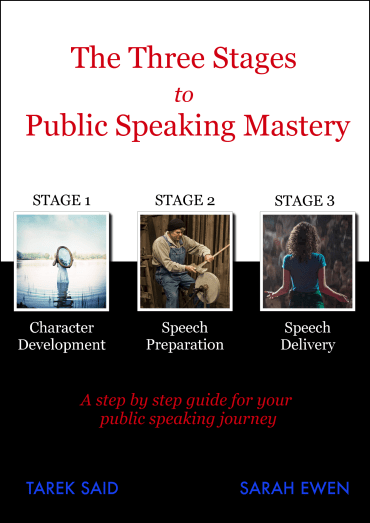
Start getting better at public speaking today!
We distilled the art of public speaking into three concise and easy to read chapters: Character Development, Speech Preparation and Speech Delivery.
If you want to overcome your fear of public speaking, learn how to write engaging speeches and read about the speech delivery concepts then this book is for you. Start getting better at public speaking by clicking the button below.