
How to Stop Procrastinating on Public Speaking (3 Practice Techniques That Work)
Public speaking procrastination is extremely common. Even confident professionals often delay preparing for presentations, speeches, or important meetings.
Instead of preparing early, people avoid writing their speech, skip practice, or hope the words will simply come together on the day.
Unfortunately, procrastination makes public speaking more stressful and more difficult.
The good news? There is a simple and proven solution:
Quality practice.
When you replace procrastination with purposeful practice, your confidence, clarity, and delivery improve dramatically.
How Do You Stop Procrastinating on Public Speaking?
The most effective way to stop procrastinating on public speaking is to practice your speech out loud, mimic the real speaking environment, and time your delivery. These three techniques reduce anxiety, improve clarity, and help speakers feel more confident when presenting.
Why People Procrastinate on Public Speaking
Public speaking anxiety is one of the most common fears people experience. When nerves appear, the brain often reacts by encouraging avoidance.
This can look like:
- Avoiding writing the speech
- Avoiding practicing out loud
- Delaying preparation until the last minute
- Hoping the presentation will somehow come together naturally
While this may feel like temporary relief, procrastination usually creates more anxiety, not less.
As the speaking date approaches, speakers often feel:
- Less prepared
- More nervous
- More likely to rush or forget key points
And the reality is simple:
The presentation is happening whether you prepare or not.
The Best Cure for Public Speaking Procrastination
If you want to overcome procrastination and reduce speaking nerves, the most effective strategy is structured practice.
Practice builds familiarity with your content, strengthens your delivery, and helps your message flow naturally.
But the key is quality practice, not just quickly reading through your notes.
Here are three powerful ways to practice effectively.
1. Practice Your Speech Out Loud
Many speakers review their presentation silently instead of speaking it.
But public speaking is a verbal performance, not a reading exercise.
Practicing out loud helps you:
- Improve the natural flow of your speech
- Identify awkward phrasing or unclear points
- Build vocal confidence
- Strengthen your delivery and pacing
When you hear your message spoken aloud, it becomes easier to refine and improve it.
2. Recreate the Real Speaking Environment
One of the most effective public speaking techniques is to practice in conditions that closely resemble the real presentation.
This helps reduce surprises and boosts confidence.
For example:
- If you will stand during your presentation, practice standing.
- If you will sit during a meeting or panel, practice seated.
- If you will use slides or visual aids, rehearse with them.
- If you will move around the room, practice those movements.
The closer your practice matches the real environment, the more comfortable you will feel when the moment arrives.
3. Time Your Practice
Timing is one of the most overlooked aspects of presentation preparation.
Without practicing with a timer, many speakers either rush through their message or run out of time before finishing.
Timing your practice helps you:
- Maintain a comfortable speaking pace
- Ensure your message fits the allocated time
- Avoid rushing or cutting important sections
Knowing your speech fits comfortably within the time limit significantly reduces pressure.
How Practice Reduces Public Speaking Anxiety
Preparation doesn’t eliminate nerves completely, but it dramatically reduces uncertainty.
When you practice effectively, you gain:
- Greater confidence in your message
- Clearer structure and delivery
- Better control over timing
- Fewer awkward pauses
In other words, practice replaces uncertainty with familiarity.
And familiarity builds confidence.
Stop Procrastinating and Start Practicing
Public speaking doesn’t have to feel overwhelming.
The biggest mistake speakers make is delaying preparation and hoping things will come together naturally.
Instead, focus on what actually works:
- Practice out loud
- Mimic the real speaking environment
- Time your delivery
The next time you feel the urge to procrastinate on a presentation, remember:
That speech is happening anyway.
You can walk into the room hoping it goes well — or knowing you’re ready.
Stop procrastinating and start practicing.
Frequently Asked Questions About Public Speaking Practice
Why do people procrastinate on public speaking?
People often procrastinate on public speaking because it triggers anxiety and fear of judgment. Avoiding preparation can feel like temporary relief, but it usually increases stress closer to the presentation date.
How much should you practice a speech?
Most experts recommend practicing a speech at least 3–5 times out loud. This helps improve flow, confidence, and timing while identifying areas that need refinement.
Does practicing a speech reduce anxiety?
Yes. Practicing reduces uncertainty, which is one of the main causes of public speaking nerves. The more familiar you become with your content, the more confident you will feel delivering it.
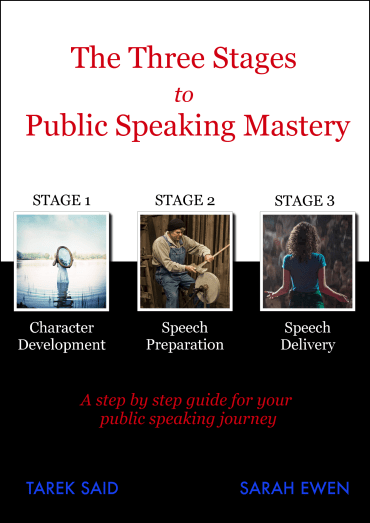
Start getting better at public speaking today!
We distilled the art of public speaking into three concise and easy to read chapters: Character Development, Speech Preparation and Speech Delivery.
If you want to overcome your fear of public speaking, learn how to write engaging speeches and read about the speech delivery concepts then this book is for you. Start getting better at public speaking by clicking the button below.